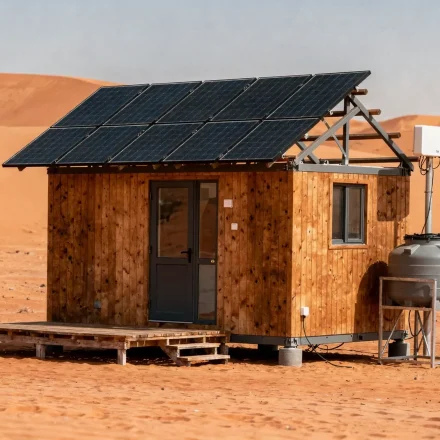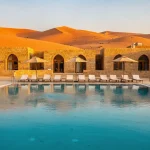
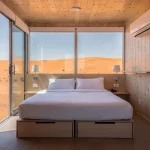

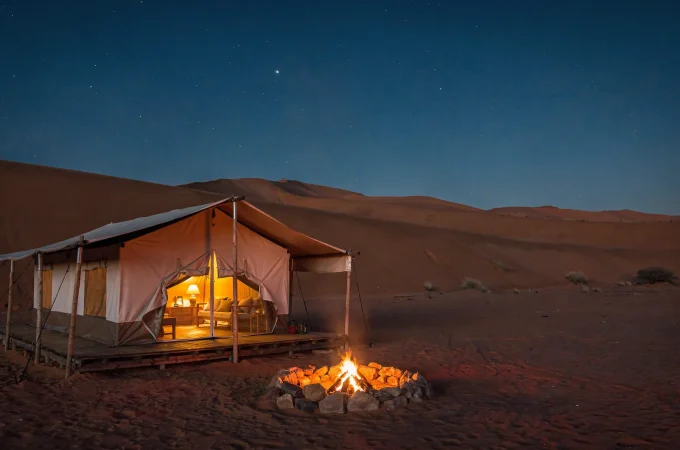
A desert stay is any overnight accommodation set in a desert, from a basic camp to a full resort. Four types cover most choices: the camp, the glamping camp, the lodge and the resort. They differ in structure, bathrooms, power and distance from the dunes. This guide sorts them so you can pick the type before you pick a place.
Table Of Content
- What Is a Desert Stay?
- Desert Camp and Glamping Camp: Same Sand, Different Comfort
- Desert Lodge and Desert Resort: Where Walls and Services Start
- Desert Stay Types Compared
- How to Choose a Desert Stay
- FAQ
- What are the main types of desert stays?
- What is the difference between a desert camp and a glamping camp?
- Is a desert lodge the same as a desert resort?
- Which desert stay suits first-timers?
- Can I stay in the desert all year?
What Is a Desert Stay?
In fact, a desert stay puts your bed inside the landscape instead of in a city hotel. In addition, the type of stay decides how much comfort you get and how far from services you sleep. Because the word covers so many setups, two stays with the same label can feel very different.
Operators sort stays by structure and services. The structure can be a tent, a dome, a cabin or a building. For example, services include a private bathroom, a restaurant, power and a pool. First pick the structure you like, then check the services. That order saves time, since many listings mix the two. If listing labels confuse you, read what an accommodation property type means.
Desert Camp and Glamping Camp: Same Sand, Different Comfort

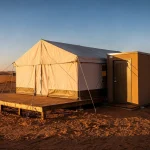
First, a desert camp is the simple end of the range. Guests sleep in a tent or a basic shelter, share toilets, eat together and leave the dunes largely as they find them. As a result, the camp suits travellers who value the night sky over the mattress.
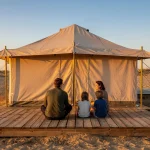
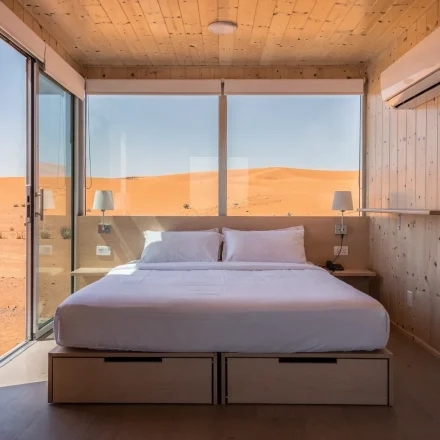
In contrast, a glamping camp keeps the tent but adds comfort. For example, beds sit on raised frames, bathrooms are often private and the tent may have cooling or heating. For more detail, read what desert glamping is and how it differs from camping and hotels. Most camps of both kinds use canvas, and the eight desert tent structures explain the variations.
The Bedouin goat-hair tent sits at the traditional end of the same family.
Desert Lodge and Desert Resort: Where Walls and Services Start

Third, a desert lodge is a permanent building, usually small, with rooms, a dining room and a quiet setting. In fact, it often sits far from towns and runs on its own power and water. As a result, guests get hard walls and a locked door without leaving the desert.
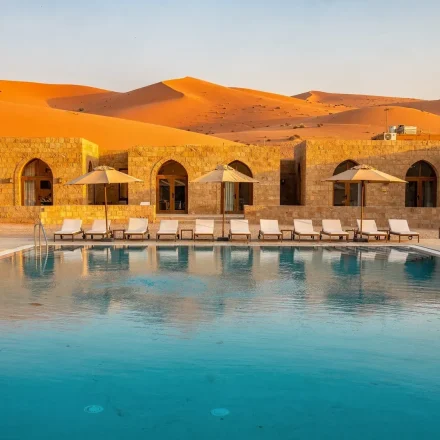
Fourth, a desert resort is larger. It holds many rooms, a pool, several restaurants and often a spa. In contrast to a lodge, a resort runs like a hotel, so services are broad and the pace is set by the property. In addition, the resort may sit close to the dunes or a short drive away.
Many travellers confuse the two, so the guide to lodge vs resort vs tented camp compares them side by side.
Desert Stay Types Compared

Therefore, the table below places the four types on the points that matter most on the night.
| Type | Structure | Bathroom | Services |
|---|---|---|---|
| Desert camp | Tent or shelter | Usually shared | Meals, fire, guide |
| Glamping camp | Furnished tent, dome or cabin | Often private | Beds, power, cooling or heating |
| Desert lodge | Permanent small building | Private | Dining room, quiet setting |
| Desert resort | Large hotel-style property | Private | Pool, spa, restaurants |
Real properties blur these lines. For example, a camp may offer a pool, and a lodge may use tented rooms. As a result, the table is a starting point, not a rule.
How to Choose a Desert Stay
Start with the night you want. If you want silence and stars, a camp or glamping camp fits. A pool and a restaurant menu point to a resort. Meanwhile, a lodge sits between the two.
Finally, check four points before you book:
- Is the bathroom private or shared?
- Does the tent or room have cooling and heating?
- How far is it from the nearest town?
- Which meals does the stay include?
Also think about the group. For instance, families need space and a private bathroom, while couples often want privacy. Finally, check the season, since a stay that feels right in winter can be hard in July. The overview of camping shows how simple shelters grew into today’s range of accommodation. For villas and the full list, see desert property types explained.
FAQ
What are the main types of desert stays?
In short, four types dominate: the desert camp, the glamping camp, the desert lodge and the desert resort. They differ in structure, bathrooms and services.
What is the difference between a desert camp and a glamping camp?
A desert camp offers simple shelter and shared facilities. Instead, glamping camps add raised beds, private bathrooms and climate comfort.
Is a desert lodge the same as a desert resort?
No. A lodge is usually small and remote, while a resort is larger and offers more services such as pools and several restaurants.
Which desert stay suits first-timers?
Most first-timers do well in a glamping camp, because it keeps the desert setting but adds a comfortable bed and a private bathroom.
Can I stay in the desert all year?
You can, but summer is very hot. In fact, many camps close in July and August, so choose a lodge or resort with strong cooling if you travel then.